In Defense of DHMO
Has science gone too far?
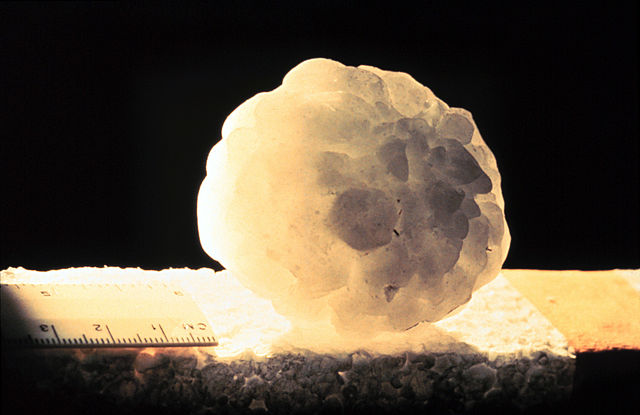
A naturally occuring DHMO crystal of tropospheric origin. This sample was supercooled prior to interaction with a condensation nucleus. Note the dispersive properties of this wave-propagation medium (refractive index: 1.31).
DHMO, otherwise known as Dihydrogen Monoxide, is a chemical compound embroiled in many heated controversies over the past four decades. Following a report of the discovery of the substance in the water pipes of Durand, Michigan in 1983, the chemical has become a subject of much discussion in elite educational institutions across the country.
In the spirit of academic rigor, it is important to note the possible negative properties as described in the 1994 seminal work:
- Is also known as hydroxyl acid, and is the major component of acid rain.
- Contributes to the "greenhouse effect."
- May cause severe burns
- Contributes to the erosion of our natural landscape.
- Accelerates corrosion and rusting of many metals.
- May cause electrical failures and decreased effectiveness of automobile brakes.
- Has been found in excised tumors of terminal cancer patients.
Although these alleged statements may paint DHMO as dangerous, however mildly so, it is absolutely crucial to note that these are all merely correlations. DHMO is associated with many positive applications as well. For instance, DHMO has numerous novel uses within the medical field:
- It is a core component of Lactated Ringer's solution, an intravenous electrolyte replacement in the World Health Organization's List of Essential Medicines.
- Decreased extracellular DHMO in spacefaring astronauts leads to cardiac atrophy and orthostatic intolerance. (Perhaps they should take a DHMO supplement?)
- Doctors may use it during long shifts (although some orthopedic surgeons and neurosurgeons have noted that it may induce micturation during procedures such as spinal fusions).
- Increasing the vapor pressure of a DHMO sample until it reaches the atmospheric pressure (typically occurs at 373.15 K) and mixing it with fermented tropical seed fragments creates one of the most widely self-administered stimulants on Earth.
As evidenced by its various applications, DHMO is clearly an extremely versatile compound. More research on DHMO must be performed in order to ascertain its many benefits and few risks. Notably, the large amounts of DHMO produced as a byproduct of sewage treatment may prove to be a promising source of sustainable DHMO for research and general consumption.

A map of the world by Claudius Ptolemy (ca.1482). Legend has it the x-axis approximates the equator. (Ignore the floating heads; they are not evidence based.) Cereulean indicates a high suspicion of positive DHMO. In sufficient quantities, DHMO has wave-like properties.
Relevant resources
Nomenclature of Inorganic Chemistry (IUPAC, 2005) [PDF, 4.1 MB]
A concise summary of Presocratic metaphysics (warning: some parts are not relevant to DHMO)